Sokhi Rangomala
Bottala Production – 17
Novel: Shaheen Akhtar
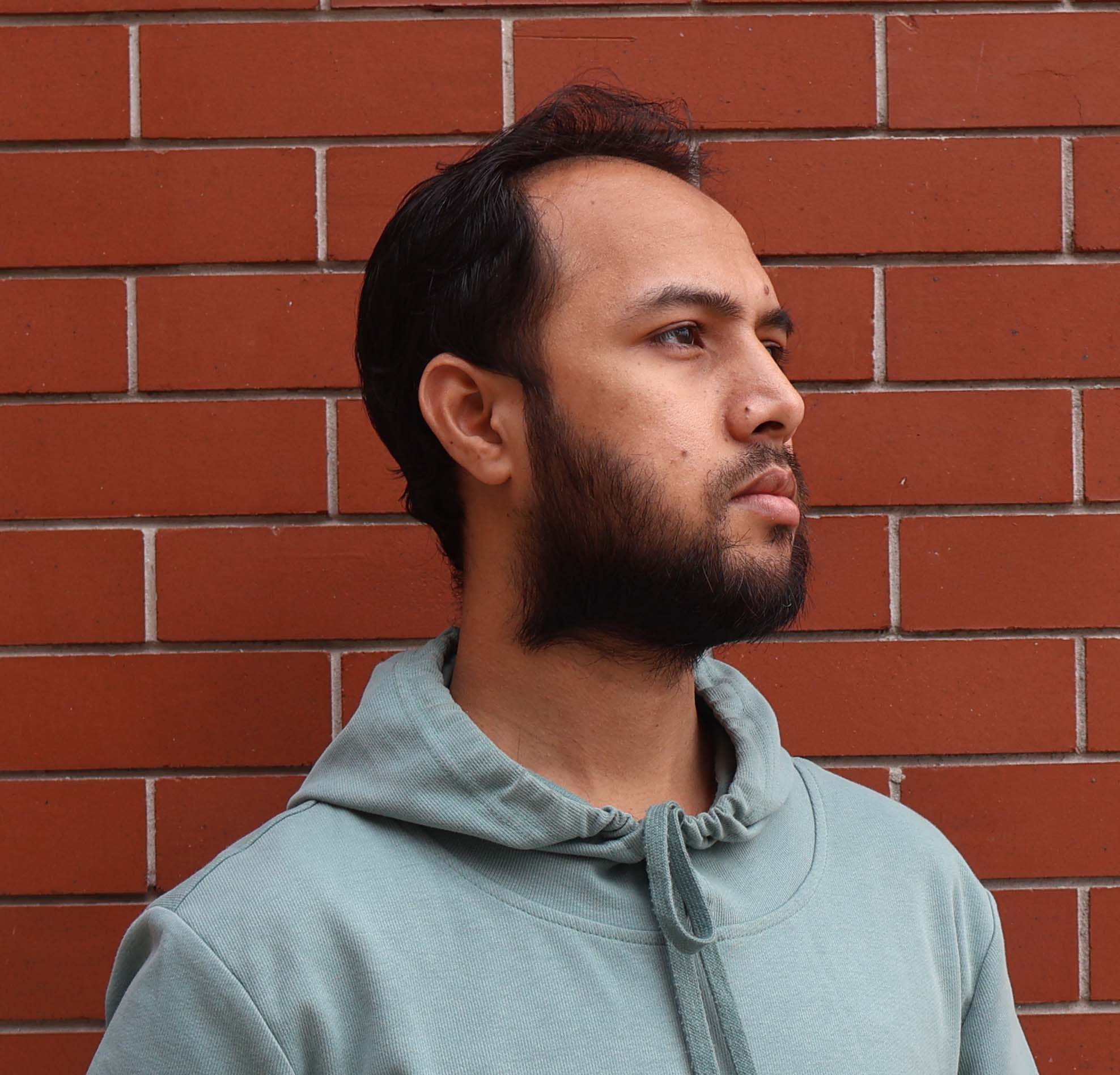
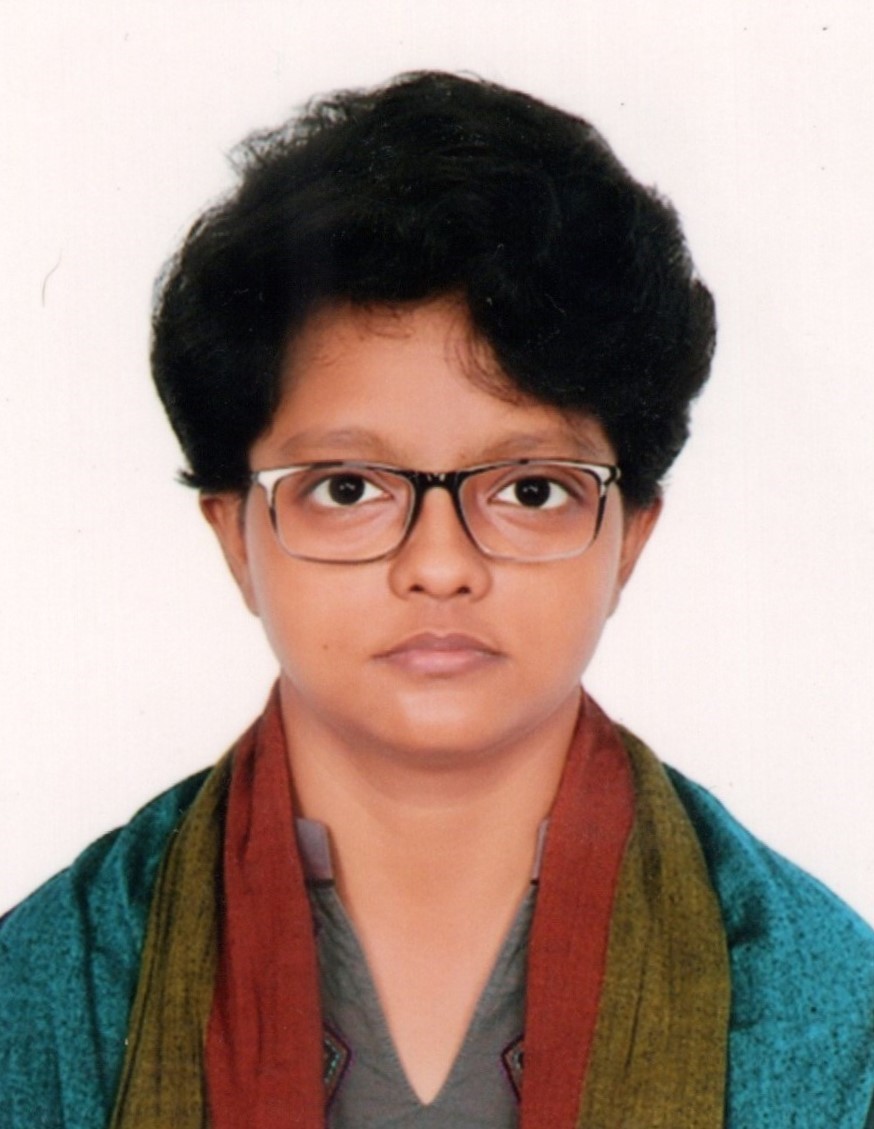
Dramatization: Samina Luthfa Nitra & Soumya Sarker
Direction: Mohammad Ali Haider
Storyline
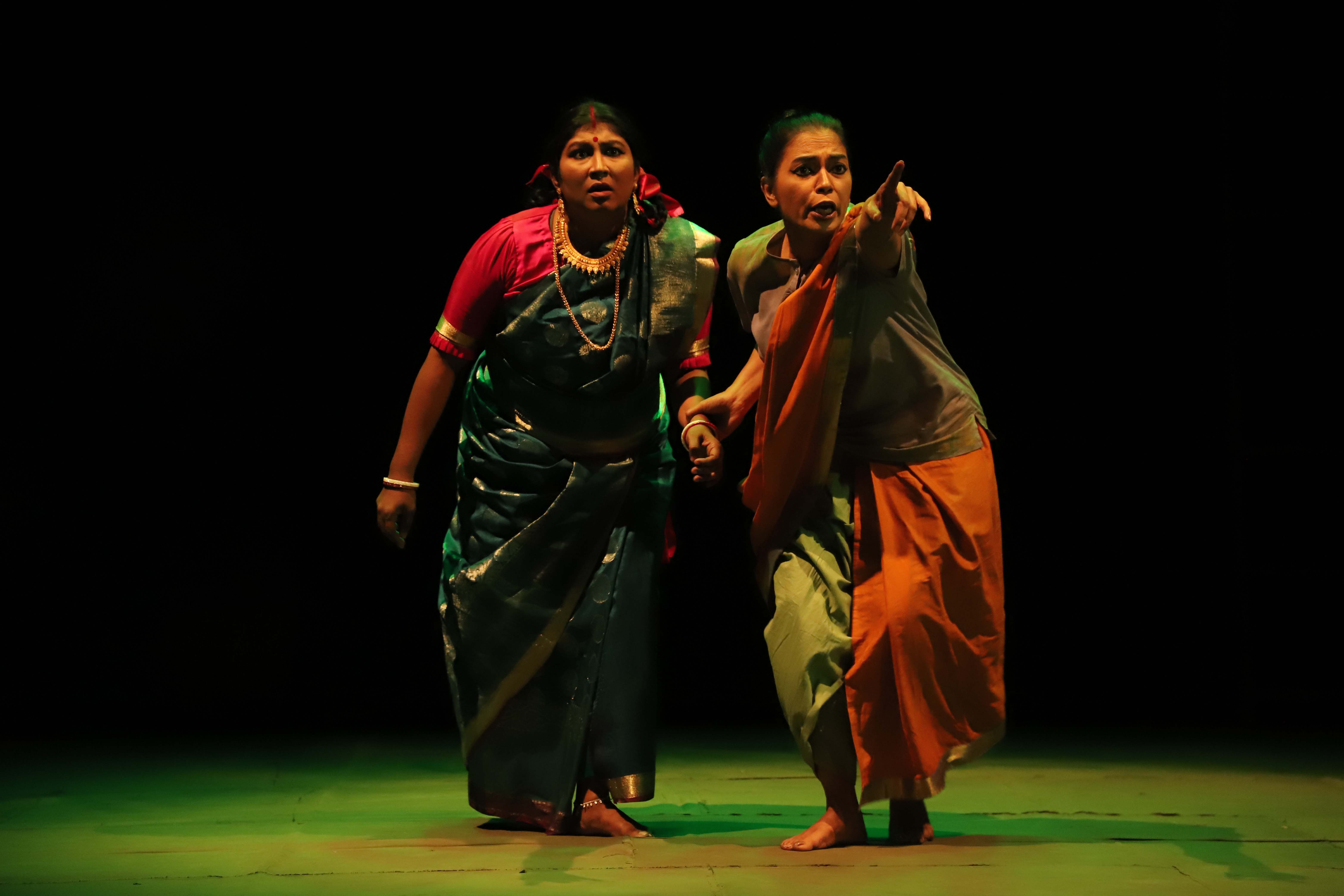
Sokhi Rangomala explores the theme of politics—not the overt, heavy-handed kind, but a subtle, nuanced politics. It weaves in gender politics through a unique lens, emphasizing liberation and the practice of an animistic philosophy that respects all living beings.
While the play depicts the friction and feuds over feudal entitlements, its true necessity lies in highlighting the presence of love in a world increasingly starved of it. It celebrates the connection between humans, and between humanity and nature.
The bond between the characters Rangomala and Phuleshwari Rai demonstrates how a relationship can become seamless and profound when an adversary transforms into a friend through spiritual and transcendental understanding. Though Phuleshwari has barely seen Rangomala—having caught only a fleeting glimpse from a distance—she yearns to embody her, both physically and spiritually.
Initial jealousy gives way to a deep sense of shared sorrow, drawing her closer to Rangi. The very love that leads to Rangomala's tragic end takes on a symbolic, transformative form for Phuleshwari. Even when physical love is evoked, she envisions a future life where they are connected—longing for a dark-complexioned child in the next life. This portrayal of love serves as a significant discourse on the question of women’s empowerment.
Compared to the original Choudhury’r Lorai folk ballad or the Sokhi Rangomala novel, this play focuses on the "Bakhan" (narrative) of the two friends—Phuleshwari’s imagined romance with her "Sokhi" Rangomala.
It tells the story of how the "first wife" of a landlord seeks to become the queen of a courtesan's heart. Against the backdrop of a "civilization" disconnected from nature and facing modern crises, Phuleshwari’s journey suggests an alternative path for us all.
Director’s Note
When I first read the novel Sokhi Rangomala, I felt a deep empathy for Rangomala. I am swept away by her love. But why is her love so significant?
Rajchandra Chowdhury, the zamindar, is lustful and pleasure-seeking; physical desire is the sole object of his devotion, and many women are at his mercy. Rangomala, however, is the one he truly loves—a person of colors and shades.
Phuleshwari Rai is Rajchandra Chowdhury’s wife. Yet Phuleshwari Rai has her own attachment to Rangomala. How is this possible?
As Phuleshwari walks along the road, she speaks to the dust; her connection with people is minimal, but her primary bond is with nature. Her interaction with the social world is entirely different, unique. A powerful force of love operates within her—a love that transcends debts, obligations, and worldly ties. Phuleshwari Rai knows how to love purely.
She loves Rangomala, her thoughts are stirred, awakened; she aspires to be like Rangomala. Her love for Rangomala is extraordinary, otherworldly. When Rangomala is killed, Phuleshwari Rai is the only one who protests, giving voice to her dissent through the birds’ songs.
Such a manifestation of love is rare. Its depth is immense, yet its sentiment is simple. Creating such a character is an irresistible challenge, which is why Bottala chose Sokhi Rangomala.
The vastness of the novel initially overwhelmed me. Even during my earlier production of Crutch-er Colonel, I often wondered how much of a novel’s magnitude I could truly capture on stage.
In bringing Sokhi Rangomala to life, my first gratitude is to Shaheen Akhtar, who honored us with permission to stage her work. I am also grateful to Samina Luthfa Nitra and Soumya Sarker, who reimagined the novel’s immense canvas through their dramatization.
Finally, my heartfelt thanks go to everyone at Bottala, whose love and enthusiasm brought this creative endeavor to life.
Backstage Performers
- Novel: Shaheen Akhtar
- Dramatization: Samina Luthfa Nitra & Soumya Sarker
- Direction: Mohammad Ali Haidar
- Assistant Directors: Kazi Roksana Ruma & Soumya Sarker
- Dialogue Adaptation: Nazifa Tasnim Khanam Tisha
- Production Manager: Mahbub Masum
- Assistant: Ashraful Ashru, Nazifa Tasnim Khanam Tisha
- Stage Design: Mohammad Ali Haidar
- Stage Construction: Abu Sufian
- Props Design: Abu Sufian
- Associates: M. Saeed & M. H. Sharif Onk
- Lighting Design & Projection: Saif Mondol
Music & Sound
-
Music Direction: Lochon Palash
-
Compositions / Tunes: Lochon Palash, Chandraboti Eva, Rabindranath Tagore, Kazi Nazrul Islam
-
Lyrics: Choudhurir Lorai, Rabindranath Tagore, Kazi Nazrul Islam, Soumya Sarker & Samina Luthfa Nitra
-
Choreography: Sweety Das Chowdhury, Mohammad Ali Haidar & Samina Luthfa Nitra
-
Costume Design: Afrina Bulbul
-
Assistant: Zayed Bin Ashraf
-
Poster Design: Charu Pintu
-
Video & Promotional Material: Mahbub Masum, Gazi Nafi, Soumya Sarker & Shahnewaz Efte
-
Stage Crew: Sumit Tewari Rana, Pappy Mohammad Ayan, Sultan Mahmud
Patrons
- Nagarik Natya Sampraday
- Mangaldeep Foundation
Acknowledgements
Ali Zaker – Notuner Utsav Celebration Committee, Shaheen Akhtar, Dhaka School of Economics (University of Dhaka), Lalmatia Housing Society School & College, Urmi Nusrat, Dr. Zafrullah Chowdhury & Shirin Haq